Samburu National Reserve
The Wild Heart of Northern Kenya Safari
The Wild Heart of Northern Kenya Safari
Samburu National Reserve, Kenya
Discover the Wild Beauty of Northern Kenya
Samburu National Reserve is a remarkable safari destination in northern Kenya, celebrated for its dramatic landscapes, fascinating wildlife, and peaceful wilderness. Located along the Ewaso Ng’iro River, the reserve combines golden savannahs, rugged hills, rocky outcrops, and lush riverbanks to create a beautiful setting for an authentic African safari.
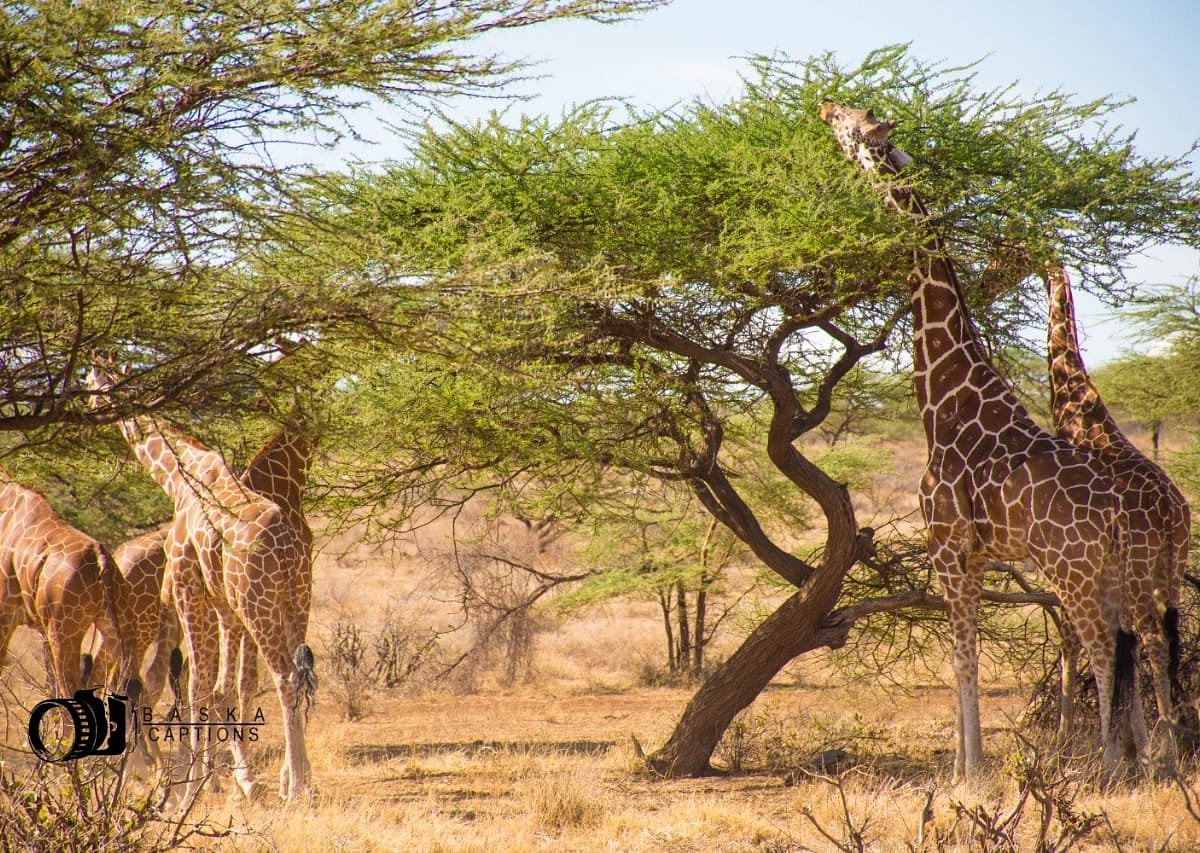
The reserve is particularly famous for the Samburu Special Five: Grevy’s zebra, reticulated giraffe, gerenuk, Beisa oryx, and Somali ostrich. Visitors may also encounter elephants, lions, leopards, cheetahs, and numerous bird species. These distinctive animals and the reserve’s striking scenery make Samburu an excellent addition to a Kenya safari.
With Nano Africa Safaris, explore this extraordinary destination on guided game drives, enjoy scenic moments along the river, and experience the natural and cultural richness of northern Kenya.
Why Visit Samburu National Reserve?
Samburu offers a different perspective on Kenya’s wildlife and landscapes. Its semi-arid environment supports species that are less commonly associated with the country’s greener southern reserves.
- The Samburu Special Five: Look for five iconic dryland species that make this reserve especially distinctive.
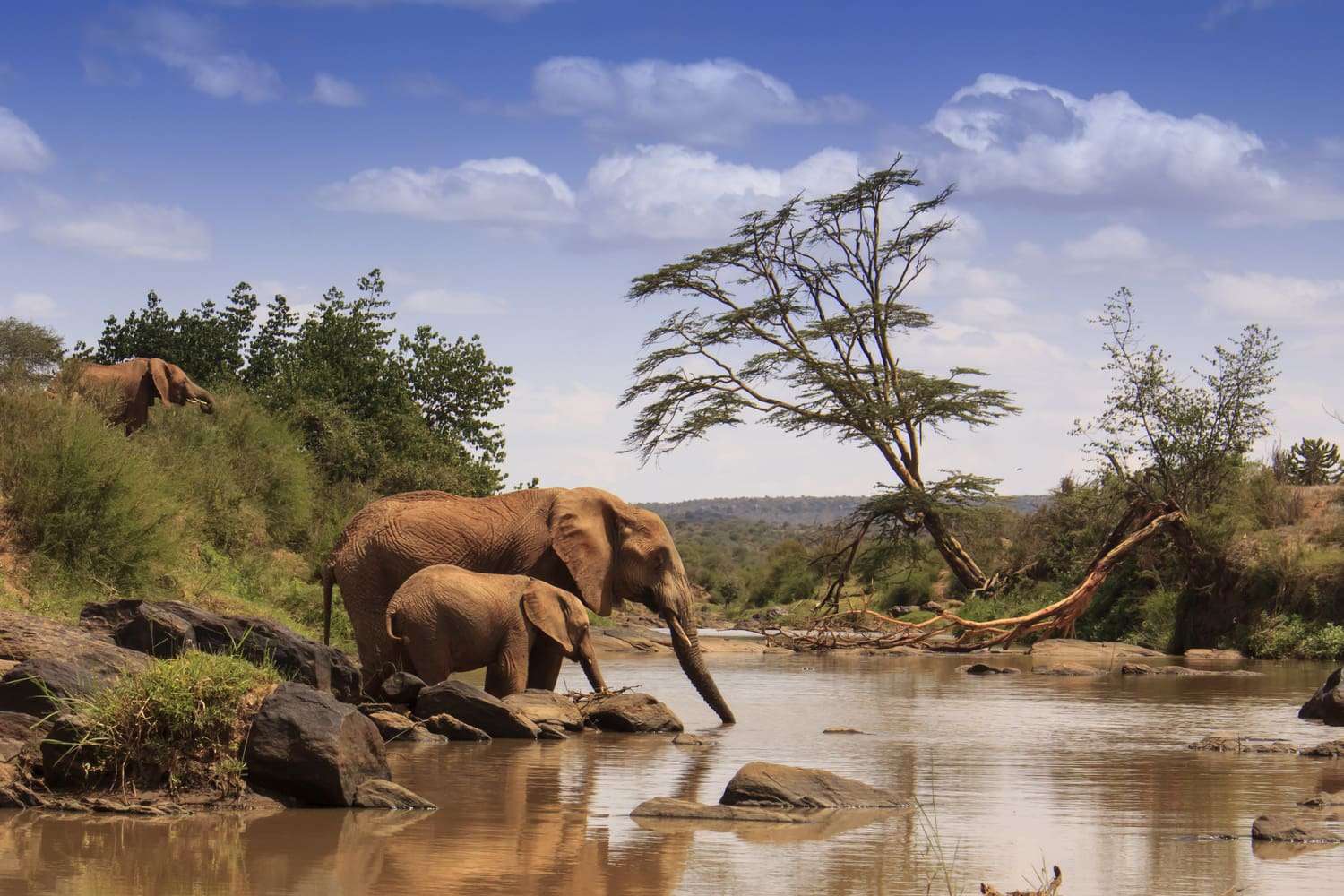
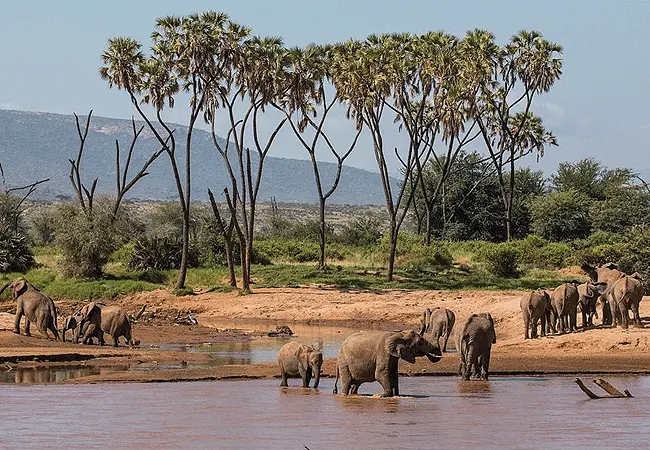
- Elephant encounters: Watch elephant herds moving through the bush and along the riverbanks.
- Beautiful landscapes: Discover rocky hills, acacia-dotted plains, and doum palms beside the river.
- Excellent photography: Capture wildlife and dramatic scenery in the warm light of early morning and late afternoon.
- A quieter safari atmosphere: Experience a destination that can feel less crowded than some of Kenya’s most famous parks.
- Cultural discovery: Learn about Samburu traditions and ways of life through respectful, locally guided cultural experiences.
Wildlife and Attractions
The Samburu Special Five
One of Samburu’s greatest attractions is the opportunity to search for its five signature species.
Grevy’s zebra: Recognizable by its narrow black-and-white stripes, large rounded ears, and distinctive appearance.
Reticulated giraffe: Famous for its striking geometric coat pattern, which stands out beautifully against the northern Kenyan landscape.
Gerenuk: An unusual antelope known for standing upright on its hind legs to browse on shrubs and small trees.
Beisa oryx: An elegant antelope with long, straight horns and distinctive facial markings.
Somali ostrich: A large flightless bird adapted to the dry environments of the Horn of Africa and surrounding regions.
Other Wildlife
Samburu also supports elephants, lions, leopards, cheetahs, impalas, kudu, and other mammals. The Ewaso Ng’iro River attracts wildlife and provides an important source of water in this dry region.
Birdwatchers can search for hornbills, vulturine guineafowl, kingfishers, weavers, and birds of prey. Wildlife sightings vary with season, weather, and animal movements, so every game drive offers a different experience.
Things to Do in Samburu National Reserve
1. Guided game drives
Explore the reserve with an experienced safari guide who can help you look for wildlife, understand animal behaviour, and discover the area’s distinctive ecosystems.
2. Wildlife photography
Photograph giraffes, zebras, elephants, and other animals against Samburu’s rugged terrain. Early morning and late afternoon usually provide particularly attractive light.
3. Birdwatching
Discover resident bird species and seasonal visitors around the river, woodland, and open plains.
4. Scenic river experiences
Enjoy the changing scenery along the Ewaso Ng’iro River, where wildlife often gathers, especially during dry periods.
5. Samburu cultural experiences
Where available, arrange a respectful visit with local Samburu hosts to learn about traditional clothing, crafts, customs, and pastoral heritage.
6. Combine Samburu with other destinations
Extend your journey to destinations such as Ol Pejeta Conservancy, Laikipia, Lake Nakuru, or the Maasai Mara for a varied Kenya safari.
Best Time to Visit Samburu National Reserve
Samburu can be visited throughout the year, but the best time depends on your interests.
June to October — Dry season: Often an excellent period for wildlife viewing because vegetation is thinner and animals may concentrate around permanent water sources. July to October is particularly popular for game drives.
January to February — Hot and dry: These months can offer rewarding wildlife viewing, clear skies, and attractive photography conditions, although daytime temperatures can be high.
March to May — Long rains: The landscape becomes greener, and birdwatching and landscape photography can be rewarding. Rain may affect some tracks and make wildlife harder to spot in thicker vegetation.
November to December — Short rains: Seasonal showers refresh the landscape and can bring excellent birdwatching opportunities. Conditions vary, and occasional rain may affect road access.
For a first safari focused on wildlife viewing, consider June to October, while allowing flexibility for weather and wildlife movements.
Where to Stay
Samburu offers a range of accommodation, from comfortable safari lodges to luxury tented camps. Many properties provide opportunities to enjoy the surrounding wilderness, with some situated close to the Ewaso Ng’iro River.
Options to explore include:
- Samburu Game Lodge — A long-established lodge within the reserve.
- Samburu Intrepids — A tented safari camp offering a classic bush experience.
- Elephant Bedroom Camp — A luxury tented camp known for its immersive safari setting.
- Samburu Sopa Lodge — A lodge option for travellers seeking a comfortable base for game drives.
Availability, facilities, and location should be confirmed for your travel dates. Nano Africa Safaris can help match your accommodation to your preferred comfort level, itinerary, and budget.
How to Get to Samburu National Reserve
Samburu is located in northern Kenya and can be reached from Nairobi by road or scheduled safari flights, depending on your itinerary and preferred airstrip.
By road: Travel from Nairobi in a suitable safari vehicle. The journey takes several hours, depending on the route, traffic, road conditions, and destination gate.
By air: Scheduled flights may connect Nairobi with airstrips serving the Samburu area. Flight schedules and baggage restrictions should be confirmed before booking.
A Kenya safari itinerary can combine Samburu with other wildlife destinations to reduce backtracking and make the most of your travel time.
Travel Tips for Samburu
- Pack lightweight, breathable clothing, a sun hat, sunglasses, and sunscreen.
- Bring binoculars and a camera with a suitable zoom lens.
- Carry a light jacket for cooler early mornings.
- Follow your guide’s instructions and maintain a safe distance from wildlife.
- Book accommodation and flights in advance during popular travel periods.
- Consider a suitable 4×4 safari vehicle, particularly when travelling during rainy periods.
- Arrange cultural visits through reputable local guides and respect community customs.
- Confirm park entry arrangements, travel requirements, and current accommodation details before departure.
Explore Samburu with Nano Africa Safaris
Experience the distinctive wildlife, rugged landscapes, and rich heritage of northern Kenya with Nano Africa Safaris. Whether Samburu is the highlight of your journey or one stop on a longer Kenya and Tanzania adventure, we can help create a safari that reflects your interests, travel dates, and preferred style.
Let us help you plan your Samburu safari.
Contact Nano Africa Safaris to discuss your itinerary, accommodation preferences, and private guided safari options.
Your African adventure begins here.
Explore Your Destinations