Lake Nakuru National Park
A Sanctuary of Flamingos and Rhinos
A Sanctuary of Flamingos and Rhinos
Why Visit Lake Nakuru National Park?
Lake Nakuru National Park is a beautiful destination for travelers seeking wildlife, birdwatching and dramatic Rift Valley scenery. Its relatively compact size makes it a rewarding place to explore on game drives, with opportunities to encounter a variety of animals in different habitats.
The park is particularly important for rhino conservation and is known for protecting both black and white rhinoceroses. It is also home to the endangered Rothschild’s giraffe, making it a valuable destination for travelers interested in Kenya’s wildlife conservation efforts.
Beyond its wildlife, Lake Nakuru offers peaceful lakeside views, wooded valleys and elevated viewpoints where visitors can appreciate the beauty of the surrounding landscape.
Wildlife in Lake Nakuru National Park
Rhinoceroses
Lake Nakuru is one of Kenya’s notable destinations for rhino viewing. Both black and white rhinos live in the park, and sightings can be rewarding during guided game drives. These endangered animals are a major highlight for wildlife enthusiasts and photographers.
Rothschild’s Giraffes
The park protects Rothschild’s giraffes, a threatened giraffe subspecies recognized by their distinctive coat patterns and pale lower legs. Look for them browsing among acacia trees and moving through open grasslands.
Lions and Leopards
Lake Nakuru supports predators including lions and leopards. Lions may be seen resting in the grass or moving through open habitats, while leopards are more elusive and often difficult to spot.
Buffaloes, Zebras and Other Mammals
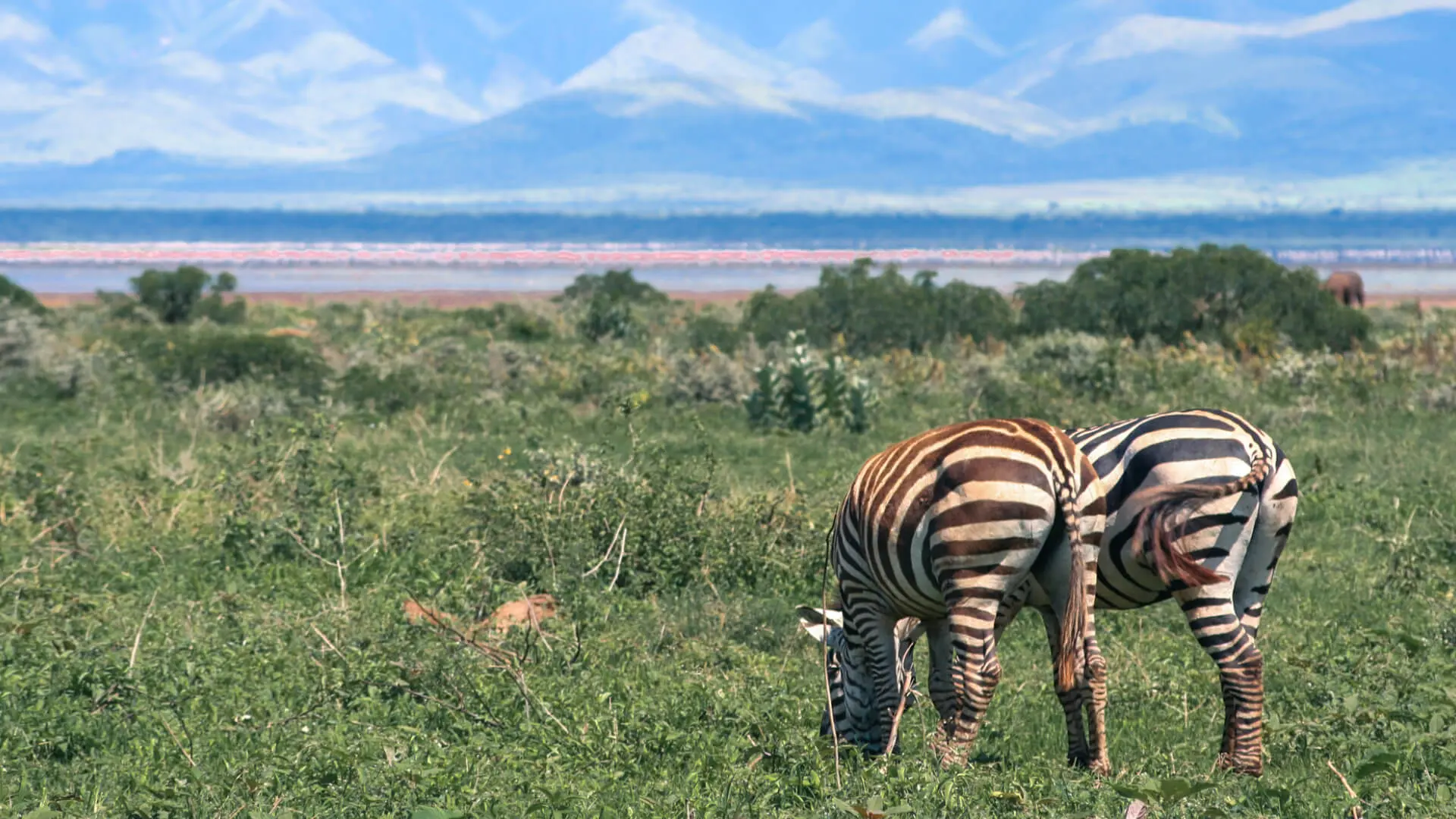
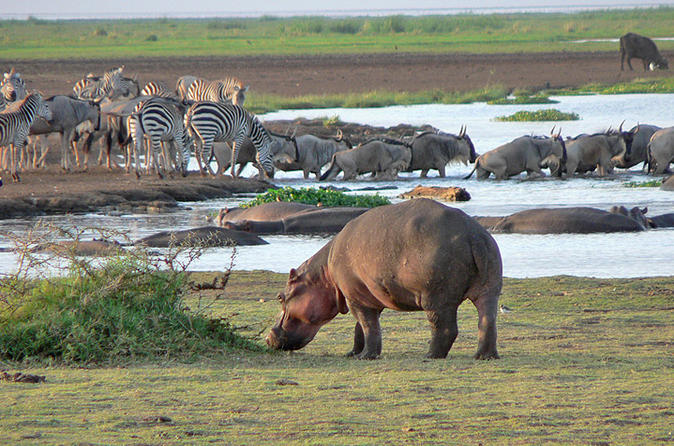
The park also supports buffaloes, zebras, waterbucks, impalas, baboons and other wildlife. The variety of species makes game drives interesting for both first-time safari visitors and experienced travelers.
Flamingos and Birdlife
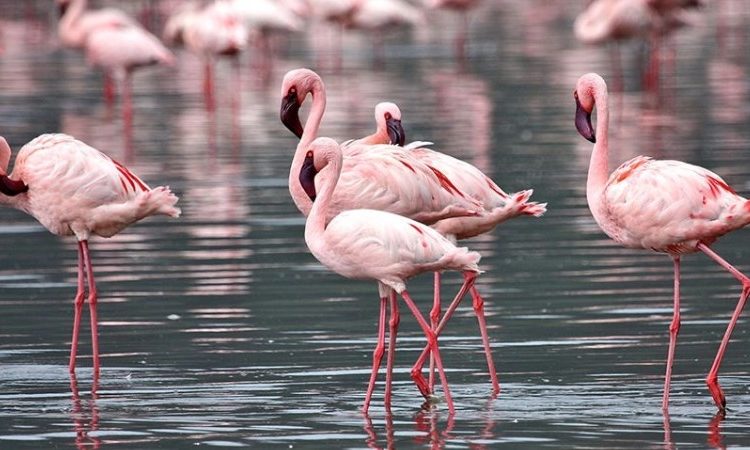
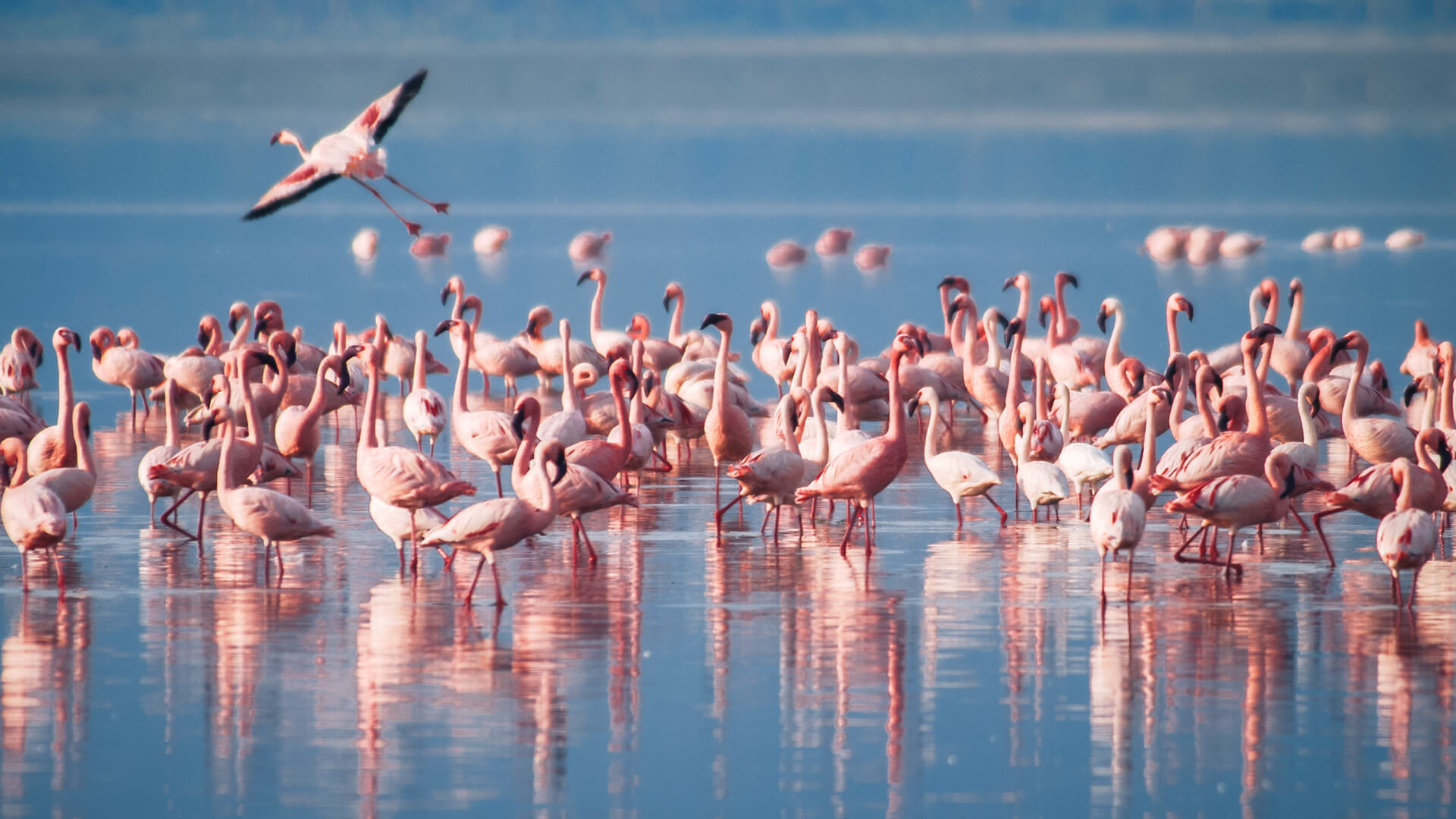
Lake Nakuru has a long-standing reputation for flamingos, although their numbers fluctuate with water levels, food availability and environmental conditions. The park also supports pelicans, fish eagles, herons, cormorants and many other bird species.
For birdwatchers, the lake and its surrounding wetlands offer excellent opportunities to discover Kenya’s rich avian diversity.
Top Attractions in Lake Nakuru National Park
Lake Nakuru
The lake is the park’s central natural feature, surrounded by open landscapes, woodland and scenic hills. Depending on conditions, its shores may attract flamingos and other waterbirds. The changing colors of the water and surrounding vegetation make it an attractive setting for photography.
Baboon Cliff
Baboon Cliff is a popular viewpoint overlooking Lake Nakuru and the surrounding landscape. It offers panoramic views that are especially beautiful when the light is soft in the early morning or late afternoon. Follow park guidance around wildlife and designated viewing areas.
Makalia Waterfall
Makalia Waterfall is a scenic feature in the southern part of the park. Its appearance can vary with rainfall and seasonal water flow, making it an interesting stop when conditions permit.
The Park’s Woodlands and Grasslands
Explore a mixture of acacia woodland, open grassland and lakeshore habitats. These varied environments support different wildlife species and create excellent opportunities for photography throughout the day.
Things to Do in Lake Nakuru National Park
1. Guided Game Drives
Discover the park with an experienced safari guide who can help you search for rhinos, giraffes, buffaloes, lions and other animals. Morning and afternoon game drives offer different lighting and wildlife-viewing opportunities.
2. Birdwatching
Explore the lakeshore and surrounding habitats to observe flamingos and other waterbirds when present, alongside the park’s many resident and migratory species. Bring binoculars for a more rewarding experience.
3. Wildlife Photography
Capture rhinos grazing in the grasslands, giraffes moving through the woodland and birds gathering around the lake. The park’s viewpoints also provide opportunities for landscape photography.
4. Scenic Viewpoints
Stop at designated viewpoints to appreciate the lake, Rift Valley scenery and surrounding hills. These locations are ideal for photographs and quiet moments during your safari.
5. Conservation and Wildlife Education
Learn about the importance of rhino conservation and the protection of endangered species. Observing wildlife responsibly helps visitors appreciate the role protected areas play in preserving Kenya’s natural heritage.
Best Time to Visit Lake Nakuru National Park
Lake Nakuru can be visited throughout the year. Your ideal travel period depends on weather conditions, wildlife interests and the type of scenery you prefer.
June to October – Generally Drier Conditions
These months are often popular for wildlife viewing because roads and game-drive conditions can be more favorable. It is a good period to search for rhinos, giraffes, buffaloes and other wildlife.
January to February – Warm, Relatively Dry Period
These months can provide rewarding game drives and good opportunities for photography. Conditions vary from year to year, and wildlife sightings depend on the animals’ movements.
March to May – Long Rains
The landscape becomes greener and more vibrant. This can be an attractive period for scenery and photography, although rain may affect road conditions.
November to December – Short Rains
The park may become greener following seasonal rainfall. Birdwatching can be rewarding, although rainfall and lake conditions influence the distribution of waterbirds.
When Is the Best Time to See Flamingos?
Flamingo numbers at Lake Nakuru change throughout the year depending on water levels, food availability and ecological conditions. Large gatherings should not be assumed during any particular month. If flamingos are your main priority, check recent local conditions before confirming your travel plans.
Where to Stay Near Lake Nakuru National Park
Visitors can choose from accommodation options inside or near the park, depending on availability, budget and preferred comfort level.
Luxury Lodges: Enjoy stylish rooms, scenic settings, quality dining and personalized hospitality.
Safari Lodges and Tented Camps: Experience a closer connection to nature while enjoying comfortable accommodation and convenient access to wildlife activities.
Mid-Range Hotels and Lodges: Choose practical comfort and good value for couples, families and small groups.
Budget-Friendly Accommodation: Guesthouses and simpler stays in the surrounding area can suit travelers looking for an affordable safari.
Consider your planned game-drive schedule and whether you prefer staying inside the park or in the nearby town of Nakuru. Confirm current availability, park access arrangements and travel times before booking.
How to Get to Lake Nakuru National Park
Lake Nakuru National Park is located in Kenya’s Great Rift Valley, near Nakuru town.
By Road: The park is commonly reached from Nairobi by road, with the journey taking approximately three to four hours depending on traffic, departure point and road conditions.
By Private Safari Vehicle: A private transfer or guided safari vehicle allows you to travel at your own pace and combine Lake Nakuru with other destinations.
Combined Kenya Safari: Lake Nakuru can be included in a wider itinerary with destinations such as Maasai Mara National Reserve, Lake Naivasha and Amboseli National Park.
Many travelers visit Lake Nakuru as part of a multi-day Kenya safari, allowing time for game drives and exploration without rushing between destinations.
Travel Tips for Lake Nakuru National Park
- Bring binoculars: They are particularly useful for birdwatching and observing distant wildlife.
- Pack layers: Early mornings can be cool, even when afternoons are warm.
- Carry a camera: The lake, viewpoints and wildlife offer excellent photographic opportunities.
- Follow park regulations: Remain in authorized areas, respect wildlife distances and follow your guide’s instructions.
- Allow enough time: One full day can provide a rewarding introduction, while an overnight stay allows a more relaxed experience.
- Check current conditions: Rainfall, road conditions and changing lake ecology can influence the safari experience.
- Book accommodation ahead: Popular lodges may have limited availability during busy travel periods.
Explore Lake Nakuru National Park with Nano Africa Safaris
Experience the beauty of Kenya’s Great Rift Valley with Nano Africa Safaris. We can help you plan a personalized Lake Nakuru safari focused on rhino conservation, birdwatching, wildlife photography and the park’s spectacular landscapes.
Whether you want a short wildlife escape or a longer journey combining Lake Nakuru with Maasai Mara and other Kenyan highlights, we can help organize an itinerary suited to your interests, schedule and accommodation preferences.
Discover Kenya’s remarkable wildlife and the scenic beauty of Lake Nakuru National Park with Nano Africa Safaris.
Start planning your Lake Nakuru safari today and experience the wild beauty of Kenya.
Explore Your Destinations