Gombe National Park
The Chimpanzee Sanctuary
The Chimpanzee Sanctuary
Discover Gombe National Park
Located on the eastern shores of Lake Tanganyika in western Tanzania, Gombe National Park is a remarkable wilderness famous for its wild chimpanzees, forested hills, and rich natural beauty. Although small in size, the park offers one of Africa’s most memorable wildlife experiences, taking visitors into the natural habitat of our closest living relatives. Here, dense tropical forests meet the clear waters of Lake Tanganyika, creating a peaceful and dramatic landscape filled with wildlife, birdsong, and winding forest trails.
Gombe is particularly special because of the pioneering research of Dr. Jane Goodall, who began studying chimpanzees here in 1960. Her work transformed our understanding of chimpanzee behaviour and made Gombe internationally recognised for wildlife research and conservation. Today, visitors can experience this extraordinary forest while learning about the importance of protecting chimpanzees and their fragile habitat.
Chimpanzee Trekking: Gombe’s Signature Experience
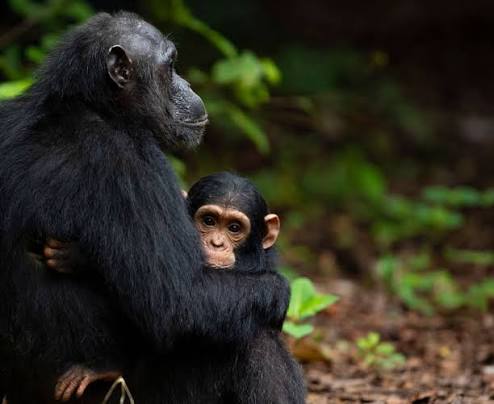
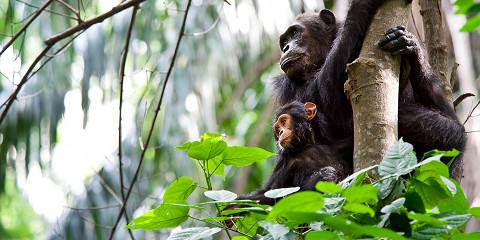
Chimpanzee trekking is the main reason many travellers visit Gombe National Park. Accompanied by experienced park rangers, visitors walk through forest trails in search of wild chimpanzee communities. Observing these intelligent primates as they communicate, groom one another, feed, play, and move through the trees is a truly memorable experience.
Unlike a traditional game drive across open savannah, chimpanzee trekking involves walking through natural forest, sometimes along steep or uneven trails. The duration and difficulty of each trek depend on where the chimpanzees are located that day. Because they are wild animals, sightings cannot be guaranteed, but the journey itself offers an opportunity to discover the forest’s remarkable plants, birds, and other wildlife.
Chimpanzee encounters are carefully regulated to protect both visitors and animals. Guests must follow ranger instructions, maintain the required viewing distance, avoid flash photography, and comply with current health and viewing rules. Anyone feeling unwell should inform their tour operator and follow the park’s guidance before joining a trek.
Wildlife and Forest Biodiversity
Beyond chimpanzees, Gombe protects a fascinating variety of forest wildlife. Visitors may encounter olive baboons along the lakeshore, as well as red colobus monkeys, red-tailed monkeys, blue monkeys, and vervet monkeys among the trees. Bushpigs, small antelopes, reptiles, butterflies, and other forest species also contribute to the park’s rich ecosystem.
The dense vegetation makes wildlife viewing different from the wide-open landscapes of Serengeti or Tarangire. Animals may be heard before they are seen, and patience is often rewarded with special moments of natural behaviour. For travellers who enjoy primates, forest ecology, and close observation of wildlife in its natural environment, Gombe offers an experience that feels intimate, educational, and deeply connected to nature.
Birdwatching in Gombe National Park
Gombe is also an excellent destination for birdwatching, with forest species and lakeshore birds inhabiting its varied landscapes. Keep an eye out for African fish eagles, colourful turacos, hornbills, and other birds calling from the canopy or flying above the lake. Seasonal migrant birds add further interest at certain times of the year.
Whether you are an experienced birder or simply enjoy watching wildlife, exploring the forest with a knowledgeable guide can reveal many details that might otherwise go unnoticed. Early mornings are particularly rewarding for listening to bird calls and observing activity as the forest comes alive.
Lake Tanganyika and Scenic Landscapes
One of Gombe’s greatest attractions is its setting beside Lake Tanganyika, one of Africa’s most extraordinary freshwater lakes. The clear blue water contrasts beautifully with the green forested slopes that rise steeply from the shoreline. The lake provides a peaceful setting for photography, scenic boat journeys, and relaxing moments after a forest trek.
Depending on local conditions and available arrangements, visitors may enjoy boat excursions and other permitted lakeside activities. The surrounding landscape also provides wonderful opportunities to appreciate the region’s natural beauty, from quiet beaches and wooded valleys to views across the lake. Water-based activities should always be arranged through authorised operators, with attention to weather, boat safety, and park regulations.
Waterfalls, Hiking, and Nature Walks
Gombe offers more than chimpanzee trekking. Its network of natural trails leads through shaded forest, narrow valleys, and rugged hills, offering a closer look at the park’s varied habitats. One notable attraction is Kakombe Waterfall, a beautiful cascade hidden within a forested valley. Reaching it provides a rewarding opportunity to enjoy the sounds of flowing water and the cool atmosphere beneath the trees.
For visitors seeking panoramic views, hiking towards viewpoints such as Jane’s Peak can reveal sweeping scenery over Lake Tanganyika and the surrounding ridges. Trail conditions vary, and some routes involve steep climbs, humid weather, and uneven ground. Comfortable hiking shoes, drinking water, suitable clothing, and a reasonable level of fitness are recommended. All hikes should follow the park’s current guidance and designated routes.
Best Time to Visit Gombe National Park
The best overall time to visit Gombe National Park is generally June to October, during the drier months. Trails are often firmer, hiking conditions are usually more comfortable, and trekking can be easier when the chimpanzees spend time on lower forest slopes. These months are particularly suitable for travellers whose main priority is chimpanzee trekking combined with forest walks and scenic views of Lake Tanganyika.
November to February can also be rewarding, with greener landscapes and excellent opportunities for birdwatching. However, occasional rain may make trails muddy, so visitors should remain flexible and prepare for changing conditions.
March to May is generally the main rainy season. The forest becomes lush and atmospheric, but heavier rainfall can make steep trails slippery and boat transfers more dependent on weather conditions. Travellers planning a visit during this period should confirm current transport arrangements, trail conditions, and accommodation availability before departure.
Chimpanzee trekking is possible outside the main dry season, but wildlife movements and trekking conditions change throughout the year. For the most comfortable overall experience, June to October is the recommended starting point when planning your visit.
How to Get to Gombe National Park
Gombe National Park is reached by boat from Kigoma, a town on the eastern shore of Lake Tanganyika in western Tanzania. Most travellers first arrive in Kigoma by domestic flight or overland transport before arranging a boat transfer to the park. The journey across the lake is an adventure in itself, with beautiful views of the shoreline and surrounding hills.
Boat transfers should be organised in advance through your tour operator or accommodation provider, especially during busy travel periods. Travel time depends on the type of boat, departure point, and lake conditions. Since Gombe has no conventional road access into the park, planning transport carefully is essential for a smooth visit.
Accommodation in and Around Gombe
Accommodation options include basic park bandas, designated campsites, and selected lodges or guesthouses in the surrounding area and Kigoma. Staying close to the park can make early-morning chimpanzee trekking more convenient and allow more time to explore the forest and lakeshore.
The best choice depends on your preferred comfort level, budget, and itinerary. As accommodation within and near the park is limited, it is advisable to reserve your stay and confirm boat transfers well in advance. Travellers staying in Kigoma may also choose to explore local cultural attractions before or after their visit to Gombe.
Travel Tips for Visiting Gombe
A successful visit begins with good preparation. Pack sturdy walking shoes, lightweight clothing suitable for humid conditions, drinking water, insect repellent, sun protection, a small daypack, and a rain jacket during wetter months. Binoculars are useful for birdwatching, while a camera without flash can help you capture the landscape and wildlife responsibly.
Chimpanzee trekking requires respect for wildlife and careful attention to park regulations. Keep the required distance from chimpanzees, avoid loud noises and sudden movements, never feed wildlife, and follow your ranger’s instructions at all times. Visitors with coughs, fever, or other potentially infectious symptoms should follow the park’s current health rules and may need to postpone their trek.
Because Gombe is remote and reached by boat, allow enough time for transport connections and avoid relying on tight same-day schedules. Confirm current park fees, trekking arrangements, accommodation, and boat availability before travelling.
Why Visit Gombe National Park?
Gombe National Park is an exceptional destination for travellers seeking a meaningful wildlife experience beyond Tanzania’s traditional safari routes. Its wild chimpanzees, fascinating conservation history, lush forests, beautiful waterfalls, and spectacular Lake Tanganyika scenery create a journey unlike any other. It is especially rewarding for nature lovers, photographers, birdwatchers, and travellers interested in primates and the relationship between wildlife and conservation.
With WeGuide African Safaris, you can include Gombe National Park in a tailor-made Tanzania adventure designed around your interests and travel schedule. Combine chimpanzee trekking with time beside Lake Tanganyika, discover the region’s natural and cultural attractions, and experience one of Tanzania’s most distinctive wilderness destinations.
Explore Your Destinations