Mt. Killimanjaro
Africa’s highest peak and iconic trekking destination.
Africa’s highest peak and iconic trekking destination.
Discover the Majestic Beauty of Mount Kilimanjaro
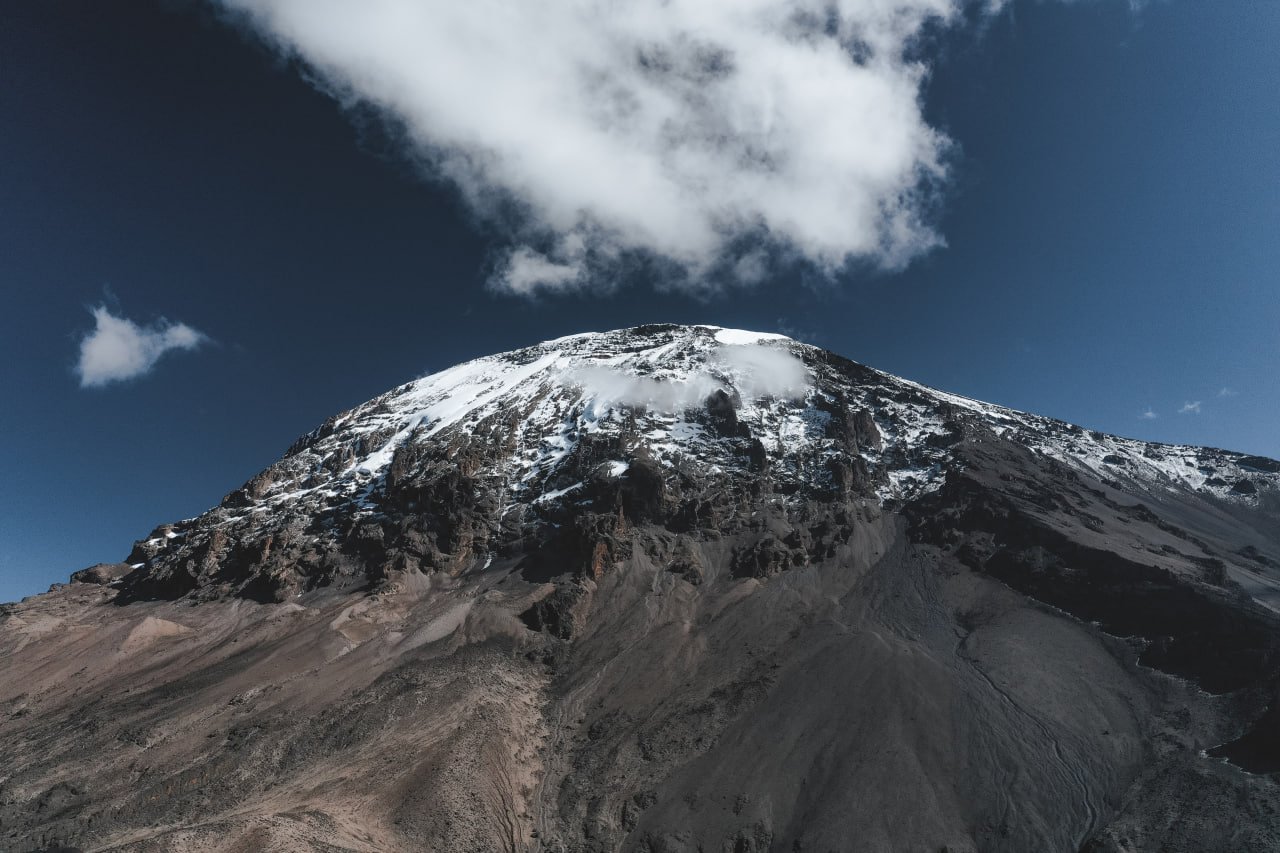
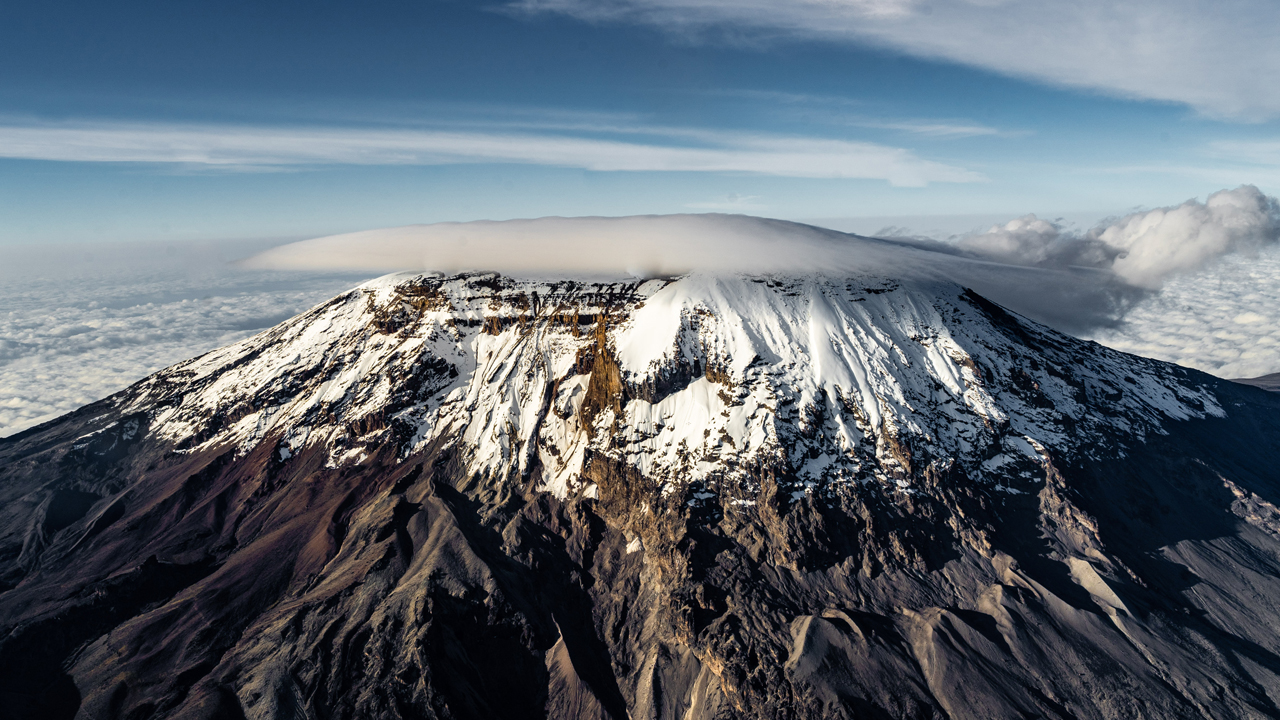
Mount Kilimanjaro is one of Africa’s most iconic natural landmarks and the highest mountain on the continent, rising to approximately 5,895 metres (19,341 feet) above sea level. Located in northeastern Tanzania, this magnificent mountain is famous for its snow-capped summit, dramatic landscapes, and extraordinary range of natural environments.
Climbing Kilimanjaro is a dream for adventurers from around the world. The journey takes you through lush rainforest, open moorland, alpine desert, and rugged high-altitude terrain before reaching the spectacular summit of Uhuru Peak. Each stage of the climb offers changing scenery, unique vegetation, and a growing sense of achievement.
Whether you are an experienced trekker or preparing for your first major mountain adventure, Mount Kilimanjaro offers an unforgettable experience that combines physical challenge, natural beauty, and personal accomplishment.
With Nano Africa Safaris, you can plan a Kilimanjaro climbing adventure with experienced mountain guides, a carefully organised route, and support throughout your journey to the summit.
Climbing Mount Kilimanjaro
A Mount Kilimanjaro climb is more than a hike; it is a journey through several ecological zones, each with its own scenery and atmosphere. As you ascend, the tropical rainforest gradually gives way to open heathland, dramatic volcanic landscapes, and the cold, high-altitude environment near the summit.
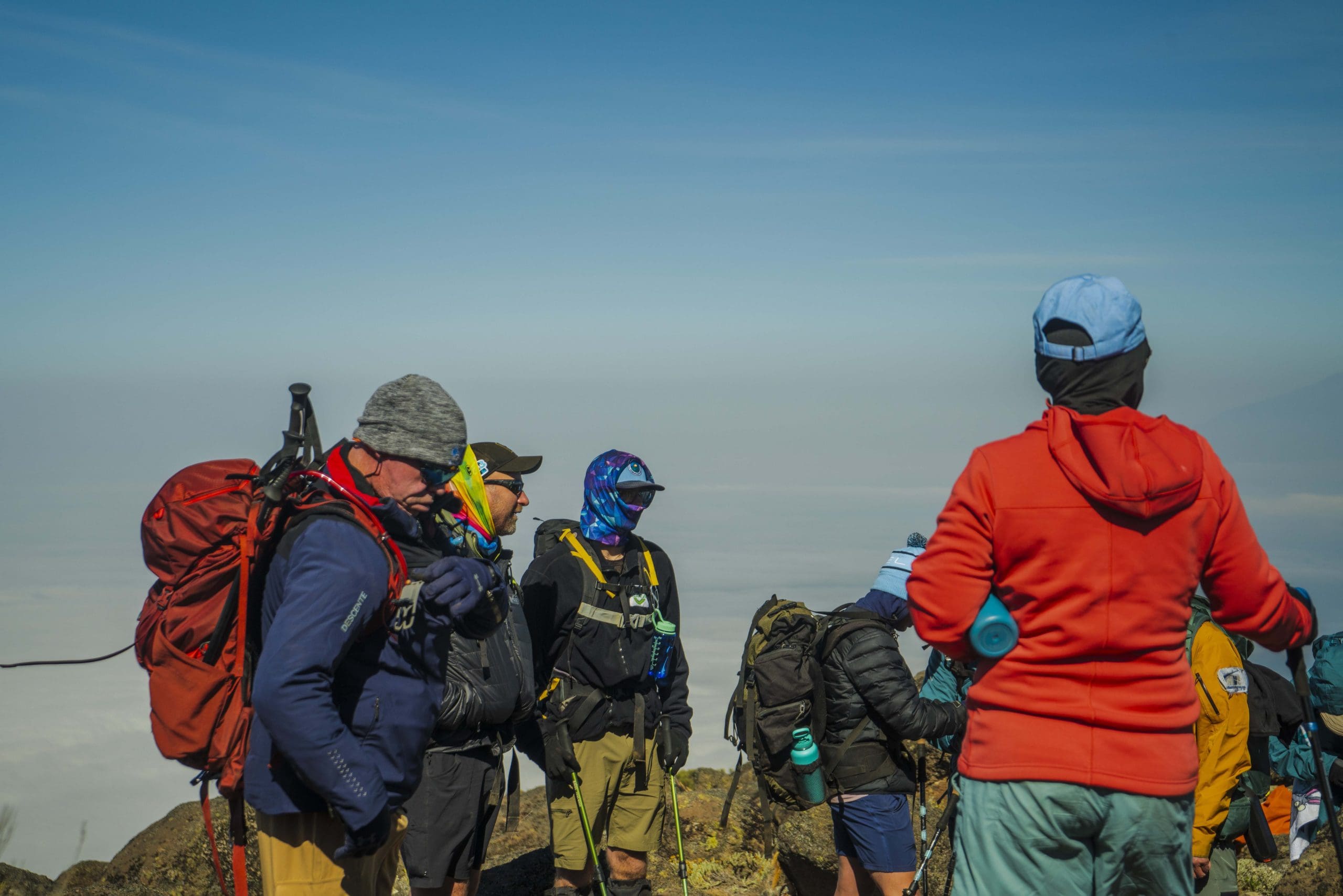
Trekkers follow established mountain routes with the support of professional guides and mountain crews. Daily walks are generally planned at a steady pace, allowing time to rest, enjoy the scenery, and help your body adjust to the increasing altitude.
Reaching Uhuru Peak is a memorable achievement, often marked by breathtaking views across the surrounding landscape at sunrise. Summit success is never guaranteed, however, and proper preparation, gradual acclimatisation, and attention to your guide’s advice are essential.
Popular Routes to the Summit
Mount Kilimanjaro has several established climbing routes. The best option depends on your fitness, available time, trekking experience, and preference for scenery and acclimatisation.
Machame Route
Known for its beautiful scenery and varied landscapes, the Machame Route is one of the most popular choices for climbing Kilimanjaro. It passes through rainforest, moorland, and alpine terrain, offering impressive views along the way. A longer itinerary generally allows more time for acclimatisation.
Lemosho Route
The Lemosho Route approaches the mountain from the west and is appreciated for its scenic wilderness and gradual start. It offers a quieter experience on the early stages and is often planned over a longer duration to support acclimatisation.
Marangu Route
The Marangu Route follows a well-established trail and is distinctive because accommodation is provided in mountain huts rather than tents. It is sometimes called the “Coca-Cola Route.” Climbers should still allow sufficient time for acclimatisation, as the shorter itineraries can be challenging.
Rongai Route
Approaching from the north near the Kenyan border, the Rongai Route offers a different perspective of Kilimanjaro. It can be an appealing option for trekkers seeking a less crowded approach, with scenery that differs from the southern routes.
Northern Circuit Route
The Northern Circuit is a longer route that circles much of the mountain and offers expansive views and a more remote trekking experience. Its additional days provide valuable opportunities for acclimatisation, although individual outcomes vary.
The Landscapes and Natural Beauty of Kilimanjaro
One of Kilimanjaro’s most remarkable features is the variety of landscapes encountered during the climb. Lower slopes are covered in lush rainforest, where moss-covered trees, ferns, and birdlife create a cool, green environment.
Higher up, the forest opens into heath and moorland, characterised by giant groundsels, lobelias, and striking volcanic scenery. The landscape then becomes increasingly sparse as you enter the alpine desert, where temperatures and weather conditions can change dramatically.
Near the summit, glaciers and ice formations provide a dramatic contrast to the warmer landscapes below. These environments make the mountain an extraordinary destination for nature lovers, photographers, and adventure travellers.
Wildlife and Biodiversity
The lower slopes of Mount Kilimanjaro support a variety of wildlife and plant species. The montane forest is home to monkeys, birds, and other animals, although sightings vary depending on the location and conditions.
As the altitude increases, wildlife becomes less visible and vegetation changes to suit the colder, drier environment. The mountain’s distinctive ecological zones make it valuable not only as a trekking destination but also as a place to appreciate Tanzania’s natural diversity.
Climbers are encouraged to respect the environment, stay on designated trails, and follow the guidance of their mountain crew to help protect this remarkable ecosystem.
Best Time to Climb Mount Kilimanjaro
Mount Kilimanjaro can be climbed throughout the year, but some periods generally offer more favourable trekking conditions.
January to early March: These months can offer good climbing conditions, with relatively clear periods and colder temperatures at higher elevations. Weather remains variable, as it does throughout the year.
June to October: This is one of the most popular climbing periods. Conditions are often drier, and many travellers choose these months for trekking and mountain photography.
April to May: The long rains can make trails wetter and more challenging. Some trekkers may prefer to avoid this period, although conditions vary.
November to December: The short rains may bring showers, but climbing is still possible. Weather can change quickly, so preparation and suitable equipment are important.
For many climbers, January to early March and June to October are preferred periods. The best dates depend on your route, flexibility, and tolerance for changing mountain weather.
Preparing for Your Kilimanjaro Adventure
Good preparation is essential for a safe and enjoyable climb. Kilimanjaro does not require technical mountaineering skills on its standard trekking routes, but the high altitude makes the journey physically demanding.
- Build your fitness: Regular walking, hiking, stair climbing, and cardiovascular exercise can help prepare you for several consecutive days of trekking.
- Choose an appropriate itinerary: Routes with more days generally provide better opportunities for acclimatisation.
- Pack in layers: Temperatures can range from warm conditions in the rainforest to freezing conditions near the summit.
- Use suitable footwear: Well-fitting, broken-in hiking boots and comfortable trekking socks can help reduce discomfort.
- Stay hydrated and follow your guide’s advice: Drink regularly, walk at a steady pace, and report symptoms such as headaches, nausea, dizziness, or unusual fatigue.
- Take altitude seriously: Acute mountain sickness can affect anyone, regardless of fitness. Follow professional guidance, and descend if medically advised.
- Arrange appropriate travel insurance: Confirm that your policy covers high-altitude trekking and emergency evacuation.
Accommodation on Mount Kilimanjaro
Accommodation depends on the route you choose. On routes such as Machame, Lemosho, Rongai, and the Northern Circuit, climbers generally sleep in mountain tents at designated campsites. On the Marangu Route, overnight stays are in mountain huts.
Before and after the climb, many travellers choose a hotel or lodge in Moshi or the surrounding area to rest, prepare their equipment, and recover after the trek.
Nano Africa Safaris can help organise suitable pre-climb and post-climb accommodation as part of your wider Tanzania adventure.
Combining Kilimanjaro with a Tanzania Safari
A Mount Kilimanjaro climb can be combined with a wildlife safari for a diverse Tanzania holiday. After completing the trek, you may choose to explore famous destinations such as Serengeti National Park, Ngorongoro Conservation Area, Tarangire National Park, or Lake Manyara National Park.
For travellers who prefer a more relaxing finish, a beach holiday in Zanzibar can provide an opportunity to unwind beside the Indian Ocean after the physical challenge of the mountain.
Nano Africa Safaris can help you create a personalised itinerary that brings together mountain trekking, wildlife encounters, and relaxation according to your interests, budget, and available time.
Why Climb Mount Kilimanjaro with Nano Africa Safaris?
Climbing Mount Kilimanjaro is a remarkable opportunity to challenge yourself, experience extraordinary landscapes, and stand on the highest point in Africa. From the rainforest-covered lower slopes to the dramatic summit, every stage of the journey brings a new perspective on Tanzania’s natural beauty.
With Nano Africa Safaris, you can plan your climb around your preferred route, travel dates, and level of adventure. From helping you choose an itinerary to arranging mountain logistics and accommodation, our goal is to make your experience organised, rewarding, and memorable.
Begin your journey to the roof of Africa with Nano Africa Safaris and discover the extraordinary beauty of Mount Kilimanjaro.
Explore Your Destinations