Ngorongoro Crater
The World’s Largest Inactive Volcanic Crater
The World’s Largest Inactive Volcanic Crater
Discover the Wonders of Ngorongoro Crater
Ngorongoro Crater is one of Tanzania’s most extraordinary natural wonders, renowned for its breathtaking scenery, remarkable wildlife, and dramatic volcanic landscape. Located within the Ngorongoro Conservation Area in northern Tanzania, this vast volcanic caldera forms a spectacular natural setting where grasslands, forests, wetlands, and a seasonal soda lake support a rich variety of wildlife.
Often described as one of Africa’s most remarkable wildlife destinations, the crater offers excellent opportunities to observe animals within a relatively compact area. From lions resting across the grasslands to elephants moving through woodland and flamingos gathering around Lake Magadi when conditions are suitable, every visit offers a unique perspective on Tanzania’s natural beauty.
With Nano Africa Safaris, you can explore Ngorongoro Crater on a tailor-made Tanzania safari designed around your interests, travel dates, and preferred style of adventure.
Wildlife Safaris in Ngorongoro Crater
Ngorongoro Crater is famous for its extraordinary concentration of wildlife. The crater floor contains a variety of habitats that support many animal species, making it one of the most rewarding places in northern Tanzania for game viewing.
During a guided safari, you may encounter lions, elephants, buffaloes, zebras, wildebeest, spotted hyenas, hippos, and several species of antelope. The crater is also an important habitat for the endangered black rhinoceros, although sightings are never guaranteed.
The combination of open grasslands, wetlands, woodland, and water sources creates excellent opportunities to observe wildlife in different settings. An experienced safari guide can help you identify animals, understand their behaviour, and appreciate the ecological importance of this unique environment.
The Big Five in Ngorongoro Crater
Ngorongoro Crater is a popular destination for travellers hoping to see Africa’s Big Five: lion, leopard, elephant, buffalo, and rhinoceros.
Lions are frequently encountered on the crater floor, while elephants may be seen moving through wooded areas. Buffaloes often graze in open grasslands, and black rhinoceros inhabit parts of the conservation area. Leopards are more elusive and are not always easy to spot.
Although the crater provides opportunities to search for all five species, sightings depend on animal movements, weather, and the areas visited during your game drive.
Spectacular Crater Landscapes
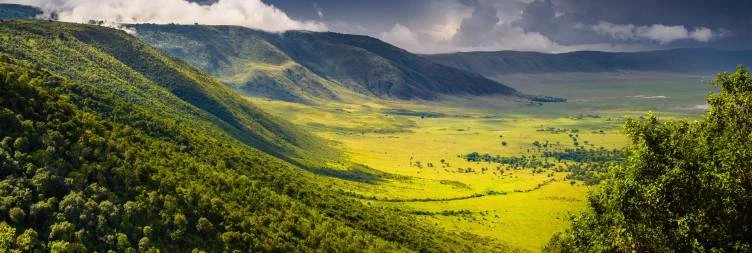
The scenery of Ngorongoro Crater is as impressive as its wildlife. Formed by the collapse of a large volcanic structure, the crater features steep forested walls surrounding a broad floor of grassland, wetlands, woodland, and open water.
From the crater rim, visitors can enjoy sweeping views across the landscape, particularly in the early morning when mist sometimes drifts across the forested slopes. As you descend to the crater floor, the environment changes, revealing a variety of habitats and wildlife-viewing opportunities.
The contrast between the green crater walls, open plains, and seasonal lake creates wonderful opportunities for photography and makes Ngorongoro one of Tanzania’s most visually distinctive destinations.
Lake Magadi and the Crater’s Birdlife
Lake Magadi is a shallow alkaline lake on the crater floor that attracts a variety of waterbirds. Depending on water levels, food availability, and seasonal conditions, visitors may see flamingos and other birds feeding along its shores.
The wider crater ecosystem supports many bird species, including ostriches, crowned cranes, eagles, vultures, and numerous waterbirds. The combination of wetlands, grasslands, and woodland makes the area especially interesting for birdwatchers.
Whether you are an experienced birder or simply enjoy observing nature, Ngorongoro offers rewarding opportunities to discover Tanzania’s diverse birdlife.
Game Drives and Safari Experiences
Game drives are the main activity on the Ngorongoro Crater floor. With a professional guide, you can explore the landscape, look for wildlife, and learn about the relationship between the crater’s animals, habitats, and seasonal conditions.
Many visitors choose an early start to make the most of their time on the crater floor. Morning drives can offer beautiful light for photography, while the cooler hours may provide comfortable conditions for wildlife viewing.
A crater safari is often included in a northern Tanzania itinerary alongside Serengeti National Park, Tarangire National Park, and Lake Manyara National Park. Combining these destinations offers a varied experience of Tanzania’s landscapes and wildlife.
Best Time to Visit Ngorongoro Crater
Ngorongoro Crater can be visited throughout the year. Each season offers different scenery and wildlife-viewing conditions.
June to October – Dry Season: This is a popular period for wildlife safaris, with generally drier conditions and comfortable opportunities for game drives. The crater’s permanent water sources and grasslands continue to support wildlife.
November to December – Short Rains: The landscape begins to turn greener, creating attractive conditions for photography. Short showers may occur, and wildlife viewing remains possible.
January to February – Green Season: The scenery can be lush, and birdwatching may be rewarding. Wildlife viewing can remain excellent, although local conditions vary.
March to May – Long Rains: The crater becomes greener, but wet weather may affect road conditions and visibility. The landscape can be especially beautiful during breaks in the rain.
For many travellers, June to October is an excellent period for a first visit. However, Ngorongoro’s wildlife can be rewarding throughout the year, and your ideal travel dates will depend on your priorities.
How to Get to Ngorongoro Crater
Ngorongoro Crater is located in northern Tanzania and is commonly reached by road from Arusha as part of the northern safari circuit. The journey usually takes several hours, depending on your starting point, traffic, and travel arrangements.
The crater is also frequently visited when travelling between Tarangire National Park, Lake Manyara National Park, and Serengeti National Park. This makes it convenient to include in a multi-day safari itinerary.
Access to the crater floor is regulated, and visitors generally explore it on an organised game drive with a suitable safari vehicle. Nano Africa Safaris can help arrange transport, guiding, park arrangements, and accommodation according to your itinerary.
Accommodation Around Ngorongoro Crater
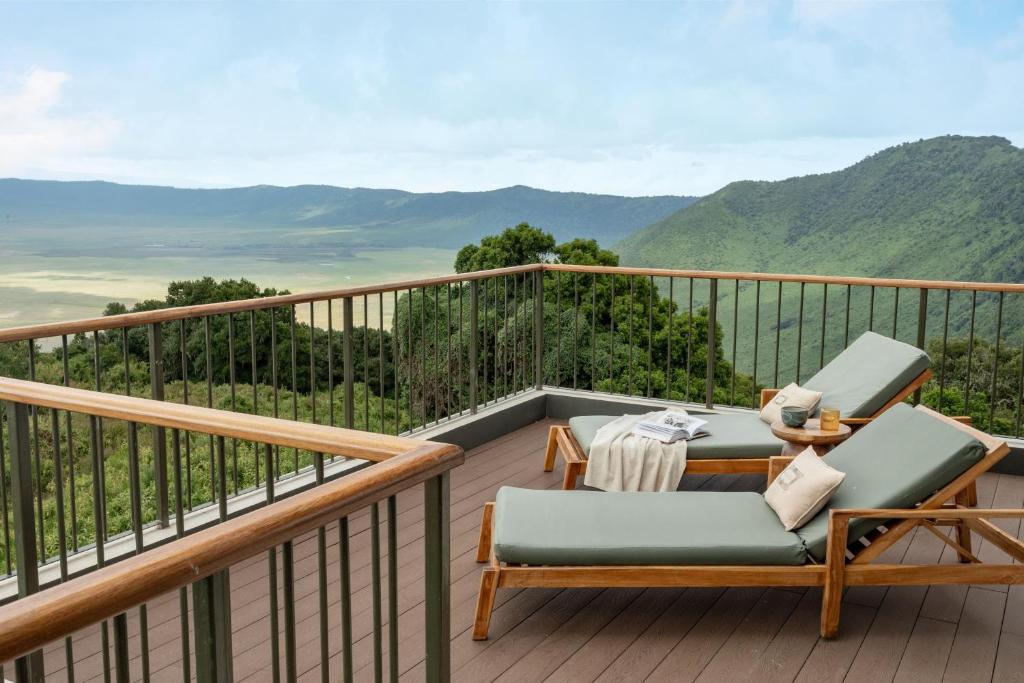
Accommodation in the Ngorongoro area includes safari lodges, tented camps, and other properties offering different levels of comfort and style. Some lodges are positioned near the crater rim, providing dramatic views of the surrounding landscape, while others are located farther away within the conservation area or nearby communities.
Travellers can choose from comfortable safari accommodation to more luxurious retreats, depending on their budget and preferences. Staying nearby can make it easier to organise an early descent to the crater floor.
Nano Africa Safaris can help you select accommodation that suits your preferred experience, travel dates, and wider Tanzania itinerary.
Travel Tips for Visiting Ngorongoro Crater
- Bring warm clothing: Temperatures around the crater rim can be cool, especially early in the morning.
- Pack a camera and binoculars: These are useful for photographing wildlife and observing animals at a distance.
- Start early: An early departure can help you make the most of your scheduled game drive.
- Follow park regulations: Remain in authorised areas, respect wildlife, and follow your guide’s instructions.
- Allow enough time: Combining the crater with nearby destinations can create a more complete northern Tanzania safari.
- Book ahead: Accommodation and safari arrangements can be particularly popular during peak travel periods.
Why Visit Ngorongoro Crater with Nano Africa Safaris?
Ngorongoro Crater offers a remarkable combination of wildlife, scenery, and natural history. Its dramatic volcanic walls, diverse habitats, and opportunities to encounter a wide variety of animals make it one of the highlights of a northern Tanzania safari.
With Nano Africa Safaris, your journey can be tailored to your interests, budget, travel dates, and preferred accommodation. Whether you want to explore Ngorongoro on its own or combine it with Serengeti, Tarangire, and Lake Manyara, we can help you plan a memorable safari experience.
Discover the wonders of Ngorongoro Crater with Nano Africa Safaris and experience the extraordinary wildlife and landscapes of northern Tanzania.
Explore Your Destinations