Filming in Tanzania: Permits, Requirements & Complete Guide for International Filmmakers
Outlines
A Popular Destination for Filmmakers
Tanzania has attracted filmmakers from around the world for decades. From Hollywood productions such as John Wayne’s Hatari (1962) to documentaries by National Geographic, the country continues to offer exceptional opportunities for filming and photography.
Its remarkable landscapes, wildlife, cultures, and natural attractions make Tanzania an appealing destination for filmmakers, scientists, anthropologists, and geologists. Lake Tanganyika, Mount Kilimanjaro, the endangered wildlife, the annual Great Migration, the Hadzabe community, traditional Maasai culture, and the active volcano Ol Doinyo Lengai are just some of the features that draw international film crews to the country.
However, professional film crews and filmmakers must obtain special government permits and pay the applicable filming fees. Please note that the information in this guide relates to mainland Tanzania only. Filming in Zanzibar requires separate permits and procedures.
What Type of Filming Does Not Require a Permit?
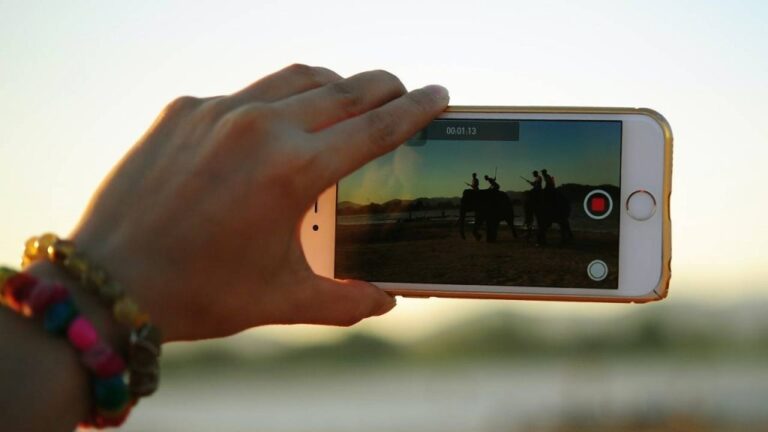
The main distinction is whether the filming is professional or personal. Visitors taking photographs and videos for personal use can generally use ordinary cameras and mobile phones without applying for professional filming permits.
The following activities are generally considered personal filming:
-
Amateur or personal films
-
Photos and videos taken using personal cameras or mobile phones
-
GoPro footage recorded for personal use
What Type of Filming Requires a Permit?
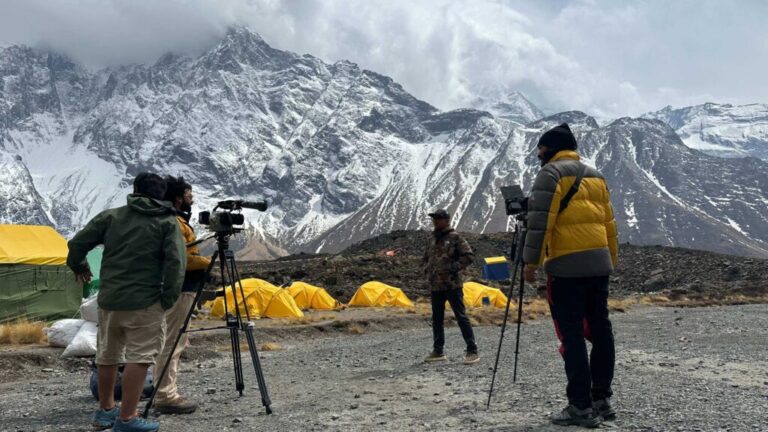
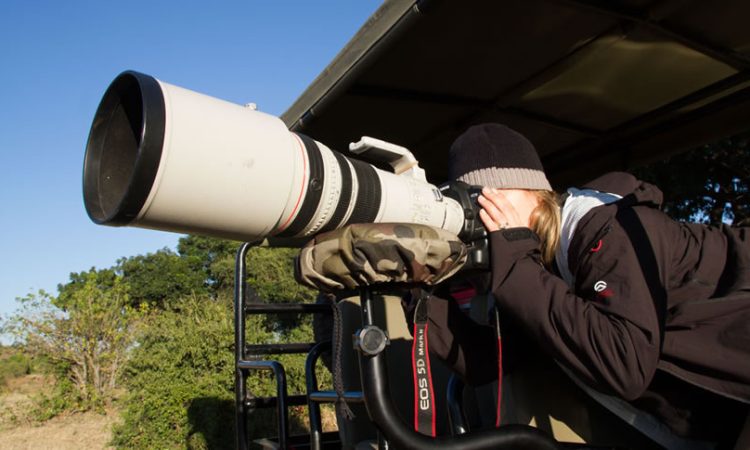
Professional filming does not necessarily mean filming for commercial purposes. It can also include projects that use professional cameras, specialised equipment, or organised production crews.
Even if you are filming for an NGO, a documentary, or a personal project, you may still need a permit if you are using professional filming equipment.
You should apply for the necessary permits if:
-
Your project is commissioned or contracted by another company.
-
You are a journalist intending to use photographs or videos as part of your professional work.
-
Your project requires large cameras and equipment that must be set up in advance.
-
You intend to use a drone at any point, including for amateur or personal filming.
Professional photographers, filmmakers, videographers, documentary producers, and journalists should make sure they understand the requirements before travelling to Tanzania.
What Permits Are Required for Filming in Tanzania?
Several permits may be required, depending on the nature of your project and the locations where you intend to film.
Tanzania Film Board Permit
The Tanzania Film Board permit is the primary filming permit that filmmakers must obtain. It should be secured before applying for other filming permissions.
Filming fees
According to the information provided in this guide, filmmakers are required to pay a fee of USD 1,000 to the Tanzania Film Board.
Applications should be submitted at least 30 days before filming begins. Processing may take approximately two to three months, so it is important to start the application process well in advance.
An expedited application process is also mentioned, with a fee of USD 3,000 and processing that may take as little as seven days. These fees and processing timelines should be confirmed with the relevant authorities before making arrangements.
Information required for the application
To complete the application, filmmakers should prepare the following information:
-
Names of all crew members
-
A synopsis of the film
-
Names of any Tanzanian nationals who will be involved in or interviewed for the production
-
Proposed filming locations
-
Estimated filming dates
All crew members should also make sure they have the correct travel documentation. According to the information in this guide, members of a professional film crew should not enter Tanzania using a tourist visa. A Business Visa is indicated instead, with an invitation from a registered host organisation in Tanzania.
Validity of the filming permit
The guide states that the Tanzania Film Board filming permit is valid for three months. Filming should be completed within this period; otherwise, another permit may be required.
Where to apply
Applications should be submitted to the Tanzania Film Board in Dar es Salaam, Tanzania's largest commercial city.
Applicants are also advised to have their application forms endorsed by the Tanzanian Embassy in their country. If there is no Tanzanian Embassy in their country, they should contact the embassy responsible for their region, which is often located in a neighbouring country.
Providing a copy of the film
After completing the filming project, filmmakers are required to provide the Tanzania Film Board with a free copy of the finished film.
Tanzania National Parks Authority (TANAPA) Filming Permit
Filming projects conducted inside Tanzania's national parks require an additional permit from the Tanzania National Parks Authority (TANAPA).
This permission is separate from the Tanzania Film Board permit and must be obtained before filming in the parks.
How to apply
Applications should be submitted to the TANAPA headquarters in Arusha. Applicants must present their approved Tanzania Film Board permit as part of the application process.
Filming fees
The source information lists the following daily filming fees, applicable up to June 30, 2022:
-
USD 300 per day for Serengeti National Park
-
USD 180 per day for Gombe and Mahale National Parks
-
USD 250 per day for all other national parks
An additional 18% VAT is indicated in the source.
The guide also states that these filming fees include camping and conservation fees, meaning that separate overnight camping fees would not be charged under the arrangements described.
Payments are made after TANAPA approves the filming project, using its designated online payment system.
Please confirm the current filming fees and payment requirements directly with TANAPA, as the figures above are historical and may have changed.
Ngorongoro Conservation Area Filming Permit
The Ngorongoro Conservation Area, including the famous Ngorongoro Crater, is not managed by TANAPA. Therefore, filmmakers planning to shoot in this area must obtain separate permission from the Ngorongoro Conservation Area Authority (NCAA).
How to apply
Applications should be submitted to the Ngorongoro Conservation Area Authority in Arusha. The approved Tanzania Film Board permit must be presented when applying.
Filming fees
The source information lists a filming fee of USD 300 per day for Ngorongoro Conservation Area. This amount is described as including camping and guiding services but excluding crater service and motor vehicle fees.
These charges should be confirmed with the NCAA before planning your production budget.
Providing a copy of the film
After completing the project, filmmakers are required to provide the Ngorongoro Conservation Area Authority with a free copy of the finished film.
Importing Filming Equipment into Tanzania
Bringing professional filming equipment into Tanzania requires advance preparation. Film crews should understand the customs procedures before travelling to avoid delays or complications at the airport.
According to the information in this guide, imported filming equipment may be subject to a bond system. Under this arrangement, the crew may be required to deposit security equivalent to 100% of the equipment's market value when entering Tanzania.
The deposit is held as security and is returned when the crew leaves the country and provides proof that the equipment is being taken back to its country of origin.
To make the process easier, filmmakers are advised to work with a reputable local company that understands the customs procedures and can assist with communication with the relevant authorities.
Alternatively, a licensed customs broker may assist with the process. The source information indicates that broker services may involve a charge of 10% of the equipment's value.
Preparing your equipment list
Before travelling, prepare a detailed inventory of all filming equipment you intend to bring into Tanzania. The list should include:
-
Equipment names and descriptions
-
Market value of each item
-
Serial numbers of individual pieces of equipment
Having this information ready can help reduce delays and make the customs process more straightforward.
Filming in Tanzania with a Drone
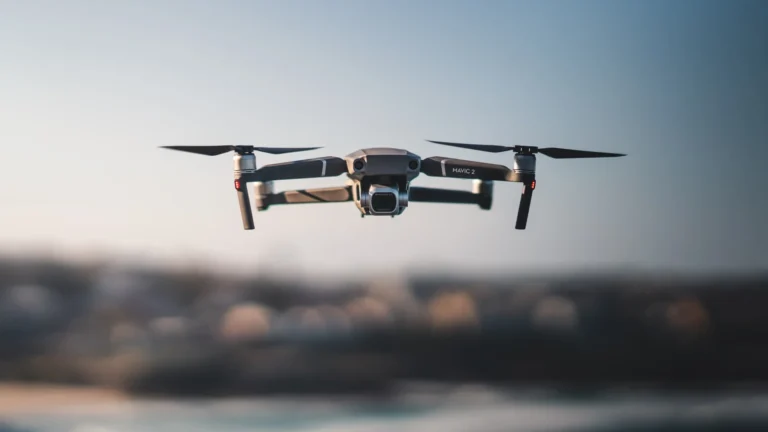
Drone use in Tanzania is strictly regulated. All projects involving drones require special approval from the relevant authorities, including those using small drones for personal or amateur purposes.
Filmmakers should arrange the necessary permissions before travelling. Without the required documentation, drones may be impounded by customs officials upon arrival.
Tanzania Film Board Permission
Before applying for drone-related permissions, the film crew must first obtain approval from the Tanzania Film Board.
This is an essential step before proceeding with applications to other authorities.
Tanzania Civil Aviation Authority Permission
Filmmakers must also obtain permission from the Tanzania Civil Aviation Authority (TCAA).
Applications should be submitted to the TCAA office in Dar es Salaam and should include an application form and a cover letter.
The following information may be required:
-
Type and model of the drone
-
Drone serial number
-
Pilot's licence or certificate issued by the relevant national authority
-
Pilot's CV and professional background
Ministry of Defence Permission
Another important requirement is permission from the Ministry of Defence. Applications should be submitted to the ministry in Dodoma.
According to the procedures described in this guide, the Ministry of Defence may assign a military officer to accompany the film crew during drone operations. The officer ensures that the drone does not enter restricted areas.
The filming crew is responsible for covering the officer's travel expenses, accommodation, and meals.
Permission from TANAPA and NCAA
If you intend to operate a drone inside Tanzania's national parks or the Ngorongoro Conservation Area, additional permissions are required from TANAPA and the Ngorongoro Conservation Area Authority.
Applicants should first obtain the necessary approvals from the Tanzania Film Board, TCAA, and Ministry of Defence before applying to these conservation authorities.
Additional filming fees may also apply.
Drone operations in national parks are subject to restrictions designed to protect wildlife from disturbance. The source information also highlights altitude restrictions for drone flights along Kilimanjaro trekking routes and in safari parks.
Why Is Drone Use Strictly Regulated?
Drone operations are carefully controlled because Tanzania has military installations, restricted areas, and important infrastructure that must be protected.
These regulations help prevent unauthorised aerial filming and ensure that drone activities do not interfere with security operations or wildlife conservation.
Important Things to Consider When Filming in Tanzania
Beyond permits and equipment, filmmakers should understand local customs, cultural sensitivities, and filming restrictions.
Always Ask for Permission Before Photographing or Interviewing People
Tanzania is home to many different ethnic communities, each with its own traditions, customs, and cultural values. Some individuals may be uncomfortable having their photographs or videos taken without permission.
For this reason, always ask for consent before photographing, recording, or interviewing someone. Respecting people's privacy and cultural values is an important part of responsible filmmaking.
When filming children or other minors, permission must be obtained from their parent, guardian, or legal custodian.
Filming Certain Locations and Individuals Is Restricted
Some locations and individuals are restricted from photography and filming. These include military bases, police stations, government facilities, and other critical infrastructure.
The source information also identifies the East African Court of Human Rights in Arusha, banks, and certain other institutions as locations where filming may be restricted.
Filmmakers should not photograph or record members of the Tanzania People's Defence Force, police officers, government officials, or members of the clergy without express permission.
Always confirm whether filming is allowed before recording in sensitive areas.
Filming and Interviewing Minors
Filming or interviewing children and other minors requires explicit permission from a parent or legal custodian, such as a school director or guardian.
This requirement helps protect children's privacy, safety, and rights during film production.
How Nano Africa Safaris Can Help with Filming in Tanzania
Nano Africa Safaris understands that organising a filming project in Tanzania involves more than choosing beautiful locations. Professional film crews must also coordinate permits, equipment transportation, local arrangements, and access to filming destinations.
Our team can assist with organising the practical arrangements needed for filming projects, including connecting production teams with relevant local services and helping coordinate travel within Tanzania.
Whether you are planning a wildlife documentary, cultural production, commercial photoshoot, or a film project featuring Tanzania's remarkable landscapes, we can help make your arrangements easier.
From the wildlife-rich plains of the Serengeti to the slopes of Mount Kilimanjaro and the cultural experiences of local communities, Tanzania offers extraordinary opportunities for filmmakers.
Contact Nano Africa Safaris to discuss your filming project and plan your production arrangements in Tanzania.
Editorial note: Permit fees, visa requirements, processing times, drone regulations, and customs procedures in the source material may have changed. Confirm all current requirements with the relevant Tanzanian authorities before travelling or beginning production.
Explore Blogs